Electric vehicles have moved from a curiosity to a substantial share of new car sales in the United States, and insurance pricing has been catching up to the realities of the technology. EV insurance premiums are typically higher than internal combustion equivalents, but the gap is narrowing as data accumulates and the repair ecosystem matures.
The cost of repair is the biggest single reason EV premiums run higher. Battery packs sit in structural locations, so collisions that would be minor in a conventional vehicle can implicate the battery enclosure or the protective structure around it. Advanced sensors, cameras, and lidar units in many EVs add calibration costs, and the use of cast aluminum structural components in some platforms makes repairs more complex than equivalent steel-bodied vehicles.
Battery replacement cost is the elephant in the room. A traction battery can represent a meaningful share of the vehicle’s value, and even partial damage that requires battery replacement can push a repair toward total loss. Underwriting models include this risk, and the result is comprehensive and collision premiums that reflect the worst-case repair outcome.
Specialized labor is another contributor. EV repair requires technicians trained in high-voltage systems, with appropriate safety equipment and procedures. Body shops without that training cannot service EV repairs at all, which concentrates demand at certified facilities and pushes labor rates up. As certification spreads, this pressure should ease, but the transition is gradual.
Parts availability has been challenging for some EV models. Newer manufacturers have less mature supply chains, and proprietary parts that cannot be sourced from third parties extend repair timelines. Insurers that pay for rental coverage or extended labor end up with higher claim costs that are reflected in pricing.
Vehicle weight is a quieter factor. EVs tend to be heavier than equivalent internal combustion vehicles because of the battery pack. The added weight changes crash dynamics, can increase damage to the other vehicle in a collision, and contributes to faster tire wear and higher braking maintenance. Each of these effects ripples into claims data.
On the positive side, EVs often have advanced safety systems that reduce accident frequency. Adaptive cruise control, automatic emergency braking, lane-keeping assistance, and other features can prevent or mitigate collisions. The frequency reduction partially offsets the severity increase, which is a key reason EV-to-internal-combustion premium gaps are closing rather than widening.
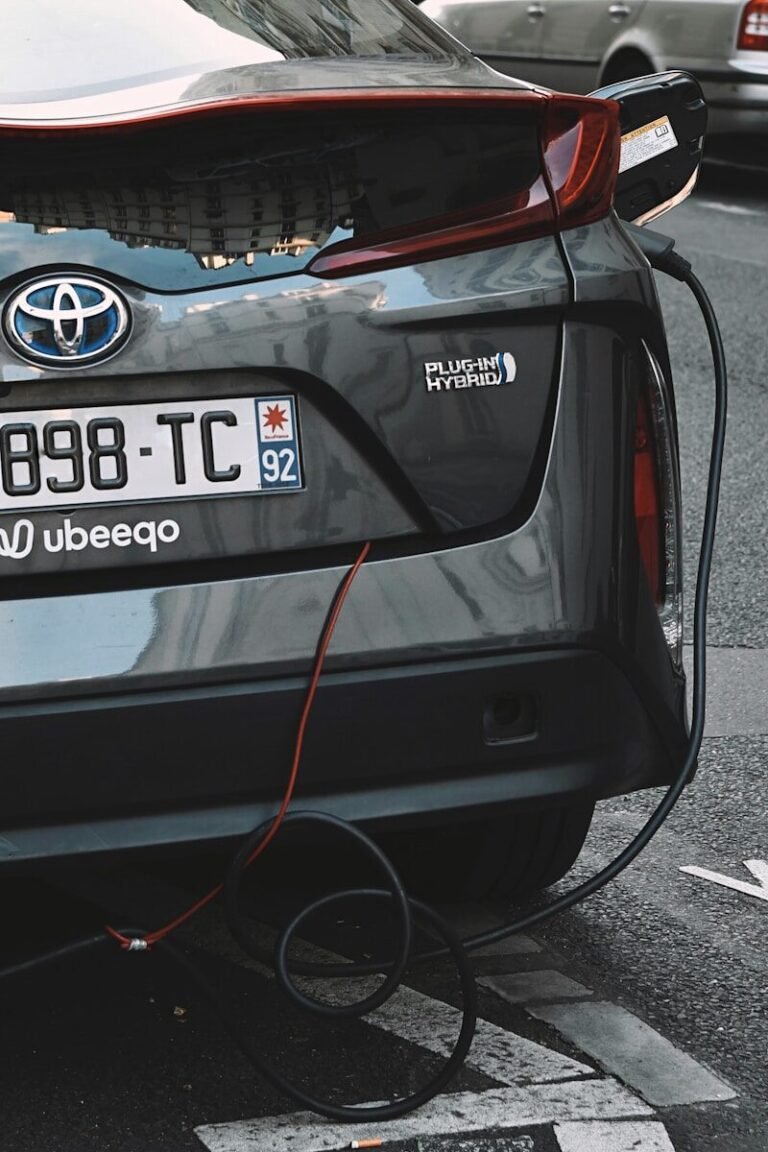
Charging-related incidents are an emerging category. Damage from charging cables, charger malfunctions, and home charging installation issues all generate claims. Most policies treat these incidents under standard auto coverage, but coverage details vary, and homeowners coverage may pick up some pieces. Reading the policy and asking the agent about specific scenarios prevents surprises.
Theft data for EVs has been mixed. Some EV models are statistically harder to steal because of integrated tracking and account-based authorization. Other models, particularly luxury EVs, have been targets for organized theft. Comprehensive premiums reflect these patterns by model.
State incentives are influencing the equation in a few states. Discounts for EV ownership, bundled with state-level emissions or environmental programs, have begun to appear. The financial impact is modest but growing. Drivers shopping for insurance after buying an EV should ask explicitly about discounts and incentives that may not be advertised front-and-center.
Total loss math for EVs has its own quirks. Used EV pricing has been volatile because the technology is changing quickly, charger network coverage varies by region, and battery health affects resale value. Carriers may use specialized valuation tools for EVs, and policyholders should review settlement offers carefully when an EV is declared a total loss.
Looking ahead, the gap between EV and conventional vehicle premiums should continue to narrow as repair ecosystems mature, more technicians are certified, and battery technology becomes more modular. The historical difference of 20 to 30 percent has already shrunk in many markets, and continued progress is likely. For drivers who chose an EV for the driving experience, the fuel savings, or the environmental impact, insurance is no longer the deal-breaker it once was. Shopping carefully, particularly across carriers that have invested in EV underwriting, produces the best results.
Charging infrastructure factors into the insurance picture more than many drivers realize. Home charging installations require qualified electricians, and improperly installed equipment can create both fire and electrical risk. Documentation of the installation, including permits and inspections, supports any related insurance claim.
Public charging carries its own considerations. Damage at charging stations, theft of charging cables, or vehicle damage from faulty equipment all generate claims that may flow through the auto policy or through the operator’s liability coverage. Reading the terms of service for charging networks clarifies what protections exist beyond the auto policy.
Long-distance road trips in EVs add planning that affects insurance subtly. Towing coverage, in-vehicle service options, and the availability of roadside assistance for vehicles that have run out of battery are all worth confirming with the carrier before a major trip. The newer the vehicle and the less developed the regional charging network, the more important these confirmations become.