The most expensive component in an electric vehicle is the battery pack, and that single fact shapes a significant portion of EV insurance pricing. When a battery is damaged in a collision or by external events, the cost to repair or replace it can be high enough to push the entire vehicle into total-loss territory. Understanding how policies handle battery replacement is essential for any EV owner.
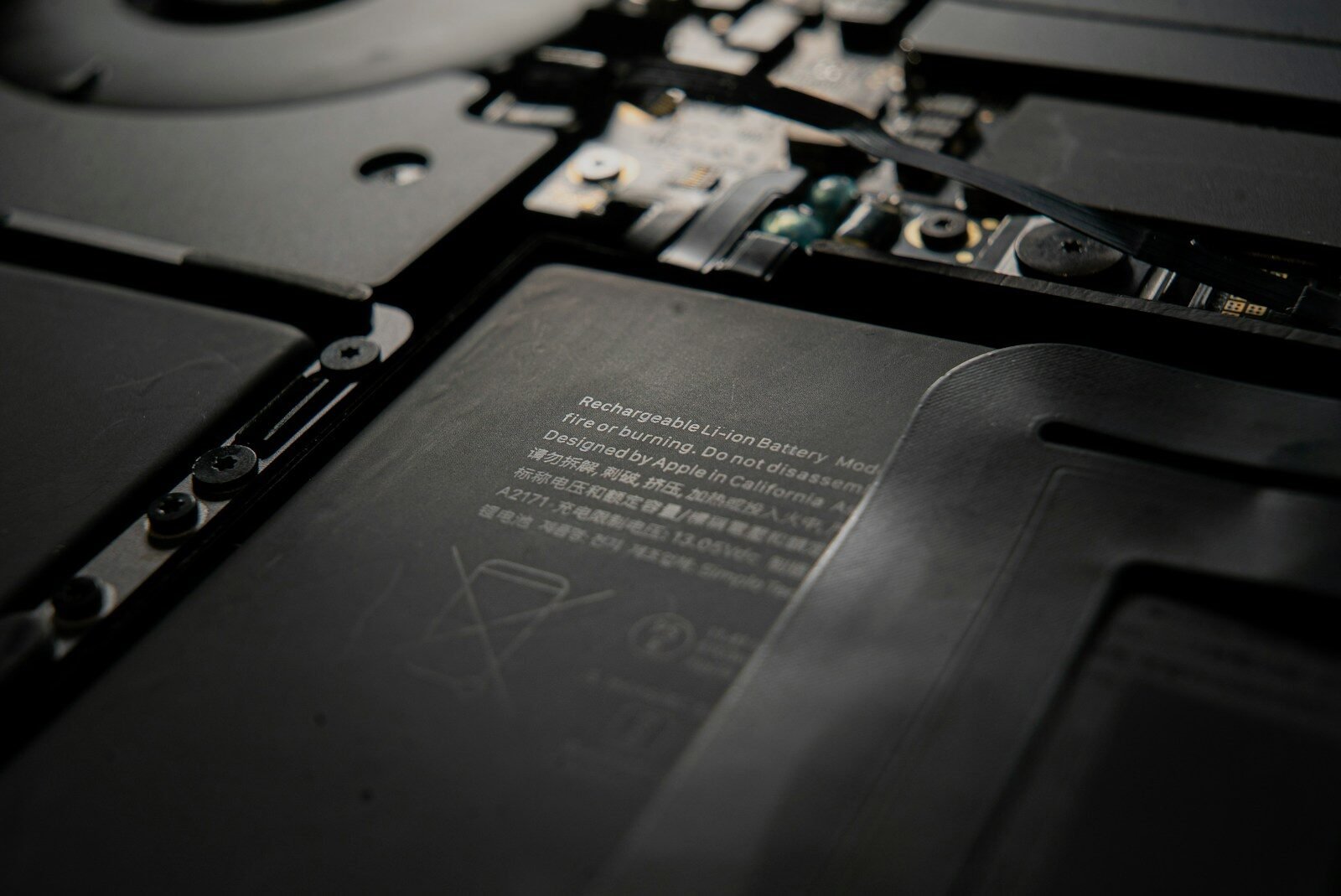
Battery packs are designed to be safe and reliable, but they are also engineered as a long-term component rather than a routine repair item. Replacement involves specialized handling, transportation, recycling, and installation procedures. Even partial replacement of damaged modules requires careful diagnostic work and certified labor. The price tag for a full pack replacement on some vehicles can rival or exceed the cost of a new gasoline-powered car.
Standard auto policies treat the battery as part of the vehicle for collision and comprehensive purposes. There is no separate battery line item; the policy responds to damage to the vehicle as a whole, with the battery included. The challenge is that the actual cash value of the vehicle may be lower than the cost to replace the battery, which mathematically forces a total loss when the damage centers on the battery enclosure.
For loan or lease holders, this mechanic creates the same gap problem that plagues conventional vehicles, only larger. The vehicle may be totaled with substantial value remaining on the loan or lease, leaving the borrower or lessee with a balance to settle. Gap insurance bridges this gap and is particularly valuable for EV owners during the early years of ownership.
Battery degradation is a different concern, one that policies generally do not cover. Normal capacity loss over time is wear and tear, not a covered peril. Manufacturer warranties typically protect against premature degradation below specified thresholds, and these warranties matter more for EV owners than they do for owners of internal combustion vehicles. Reading the warranty in detail before relying on insurance is the smart move.
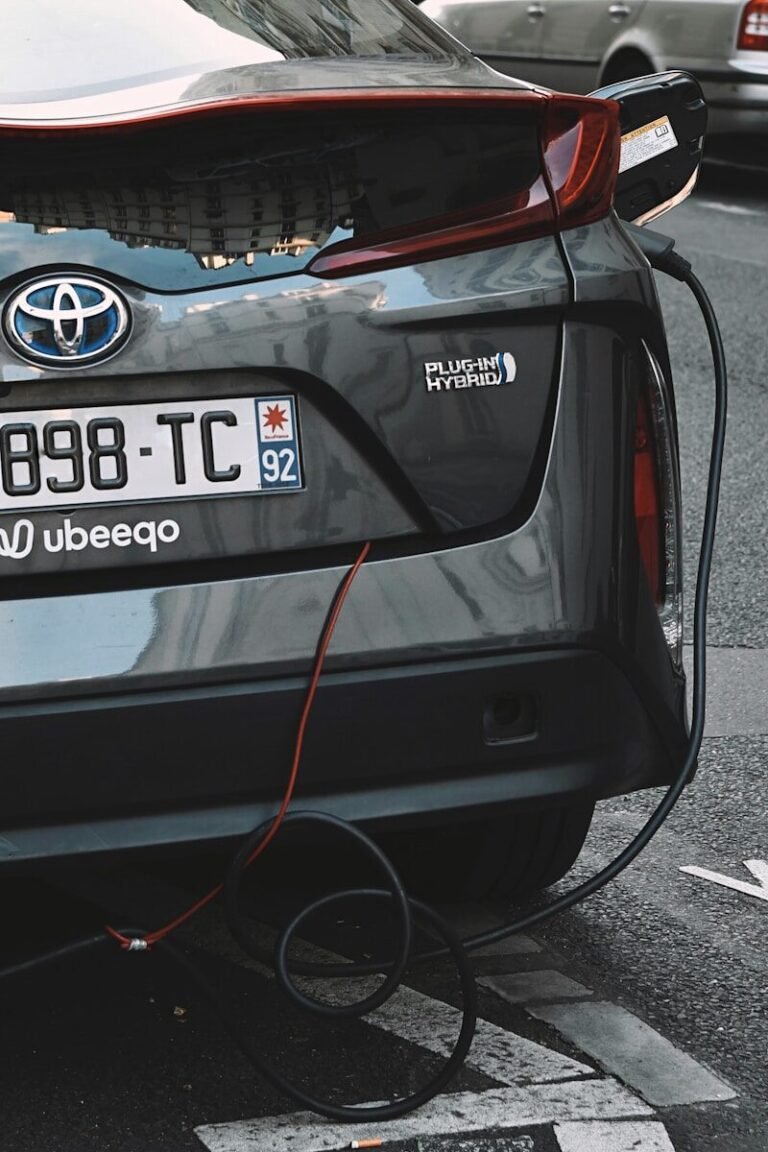
Charging-related damage is a frontier area. A faulty home charger that damages the battery is sometimes covered under homeowners insurance and sometimes under auto insurance, depending on the specifics. Policyholders should ask both insurers about their interpretation before a claim arises. Documentation of the charging equipment installation, including any electrician work, supports either claim path.
Aftermarket modifications can create coverage complications. Owners who modify charging systems, install third-party battery management upgrades, or alter the vehicle in ways that affect battery operation may find that warranty and insurance coverage become more complicated. The standard advice for any modified vehicle applies even more strongly to EVs: disclose modifications to the insurer and ask about coverage implications in writing.
The salvage and resale market for damaged EVs is still developing. Insurers pricing total losses use comparable vehicle data that may not fully reflect the risk-adjusted value of damaged battery packs. The result can be settlement offers that feel low because the salvage value the insurer recoups is uncertain. Policyholders who keep the salvage in jurisdictions that allow it may find a path to a better economic outcome, particularly with mechanical skill or willingness to work with certified repair partners.
Specialty insurance products for EVs are emerging in some markets. These products can include broader battery coverage, charging equipment endorsements, and even mileage-tracking pricing. The market is evolving quickly, and what is unavailable today may be available next year. Asking about EV-specific endorsements at each renewal is a small step that can produce meaningful improvements in coverage.
For consumers shopping new or used EVs, factoring battery replacement risk into the purchase decision is increasingly important. The total cost of ownership over the planned holding period should include realistic insurance estimates, gap protection if financed or leased, and an emergency reserve for the deductible if a claim were to occur. The vehicle that looks affordable on the lot can become more expensive when these line items are included.
The battery is both the magic of electric vehicles and the source of their unique insurance considerations. Owners who go in with their eyes open avoid the financial surprises that have caught early adopters, and they make decisions about coverage that match the realities of the technology. As the market matures and repair networks expand, the battery replacement risk should ease, but for now, it deserves a front-row seat in any EV insurance conversation.
Battery health diagnostics are an increasingly accessible service. Independent shops, dealerships, and even some mobile services can produce a battery health report that shows current capacity, predicted remaining life, and any flags. The report is useful at trade-in time, in private sales, and as documentation in any insurance dispute.
Manufacturer programs sometimes offer battery refurbishment or partial replacement options that fall short of full pack replacement. These programs may not be covered by insurance because they address wear rather than damage, but they can extend vehicle life and protect resale value. Owners considering these programs should weigh them against simply trading in.
The future of EV battery insurance includes possibilities that do not yet exist at scale. Battery replacement endorsements, second-life battery coverage, and used-EV-specific products are all in development at various carriers. Drivers who follow the market closely may find these products available before they are widely advertised.