Hybrid vehicles have spent two decades quietly proving themselves on American roads, and the insurance industry has had time to develop reliable data on how they perform. The result is a sweet spot in pricing: hybrids often insure for less than equivalent conventional vehicles and significantly less than full battery electric vehicles, even with their additional drivetrain complexity.
The reasons trace back to claim data. Hybrids have a long enough track record that insurers can price them with confidence. Frequency and severity numbers for popular hybrids are well established, and the technology is familiar to repair shops across the country. Parts supply is steady, certified technicians are abundant, and total loss thresholds are predictable.
The hybrid powertrain itself adds cost in some scenarios. The high-voltage battery is smaller than in a full EV but still represents a meaningful component. Inverters, electric motors, and regenerative braking systems require specialized service when they fail. However, the smaller battery is less likely to be implicated in routine collision damage, and the powertrain is supported by the same gasoline engine drivers have known for decades.
Driver demographics play a quiet role. Hybrid buyers historically have leaned toward owners who prioritize efficiency and reliability over performance. The behavioral profile produces lower frequency and lower severity claim patterns on average. Insurers price the vehicles based on combined data, but the demographic signal is part of the picture.
Fuel efficiency translates to lower mileage costs and, in some cases, lower mileage. Households that bought hybrids for daily commutes still drive plenty of miles, but those who use them as second vehicles or for road trips may end up driving fewer miles than expected because the gasoline cost savings reduces total trips taken indirectly. Lower mileage feeds into lower premium components in pricing models that consider annual miles.
Repair labor for hybrids is broadly available. Most independent shops, including those that have not invested in EV certification, can handle hybrid maintenance and repairs. The cost of routine service is similar to conventional vehicles, with battery and high-voltage components generally serviced by dealerships or specialty shops. The diversity of repair options keeps prices competitive.
Insurance discounts for hybrid ownership exist in some markets. They are usually small, in the range of 5 to 10 percent, and they vary by carrier and state. The discounts are sometimes branded as eco discounts, alternative fuel discounts, or efficiency discounts. Asking about them at each quote is a small step that can produce real savings.
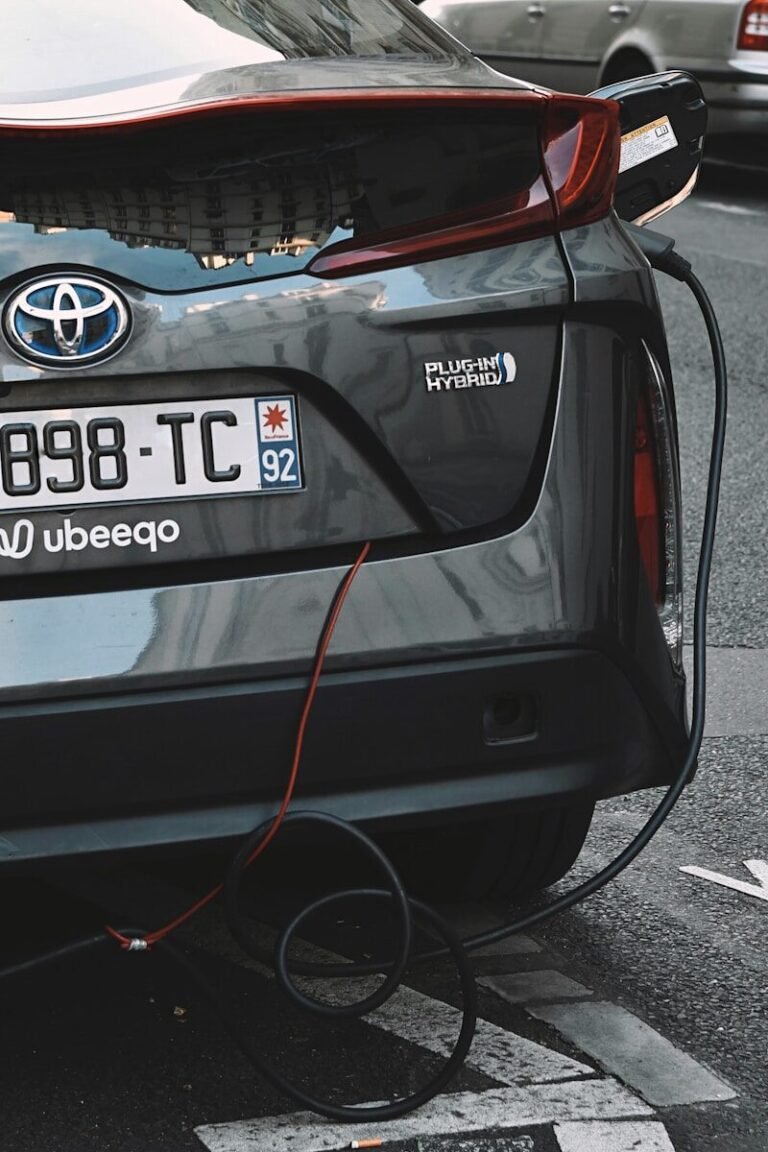
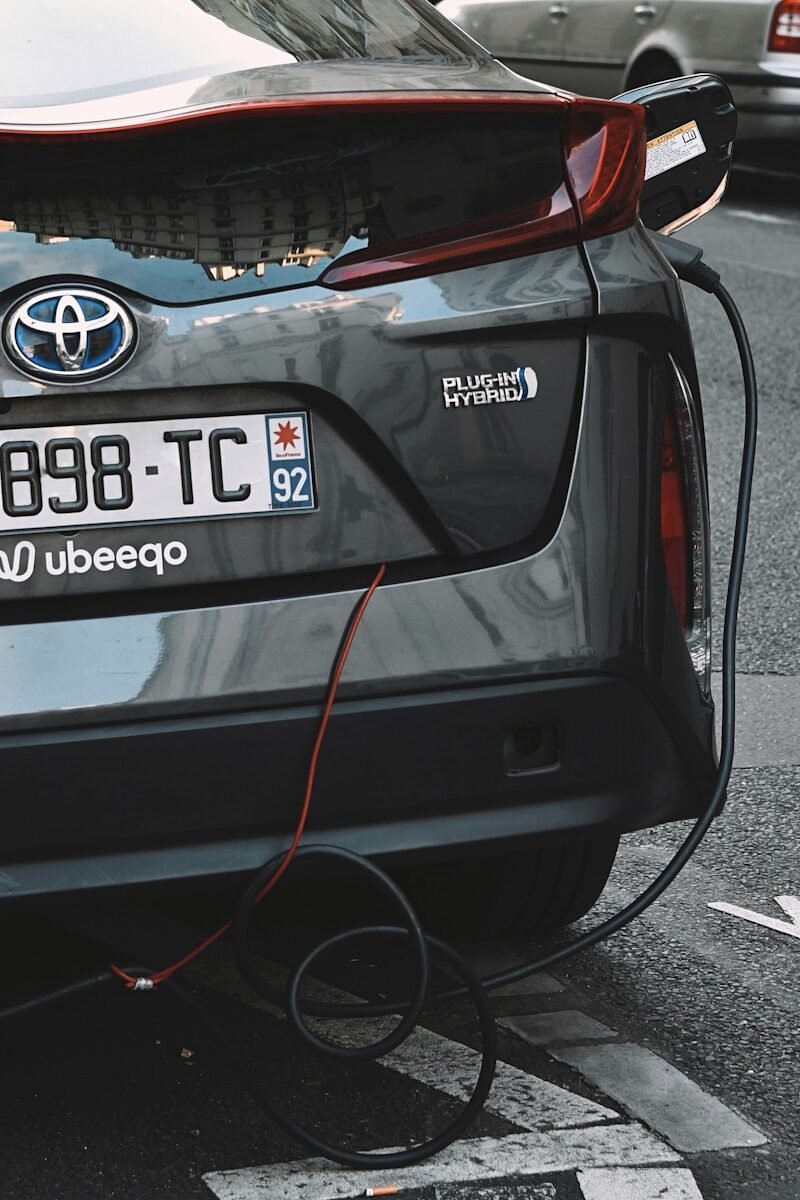
Plug-in hybrids occupy a middle position. They have larger batteries than traditional hybrids and shorter ranges than full EVs. Insurance pricing falls between hybrids and EVs, generally closer to hybrids for many models. The all-electric driving range matters because high-voltage components are more frequently engaged, and the battery is implicated in more potential damage scenarios.
Total loss math for hybrids is straightforward. Used hybrid pricing has been stable, parts are available, and resale markets are well developed. Settlement offers based on comparable vehicle data tend to be defensible, and disputes are easier to resolve because the vehicle category is mature.
For consumers shopping for fuel-efficient vehicles, hybrids deserve a second look from an insurance perspective. The premium difference compared to a full EV can be meaningful, and the gap may not close even as EV pricing improves. The full EV may still be the right choice for environmental, performance, or driving experience reasons, but the insurance line item should be part of the conversation.
Maintenance considerations support the insurance picture. Brake life on hybrids is often longer due to regenerative braking, which reduces wear on conventional pads and rotors. Battery longevity has proven strong on most established hybrid platforms. The combination of stable insurance pricing and lower routine maintenance keeps total cost of ownership competitive even as fuel prices fluctuate.
Looking ahead, the hybrid sweet spot may persist for some time. Manufacturers continue to invest in hybrid technology even as full EV development accelerates. New plug-in hybrid models with longer electric ranges are entering the market, and insurance pricing on those platforms will continue to refine as data accumulates.
For drivers who want efficiency without the steep insurance premium and infrastructure considerations of a full EV, hybrids deliver a practical compromise that has stood the test of time. Combined with thoughtful coverage choices, deductible selection, and annual shopping, hybrid ownership offers one of the best total cost of ownership stories on the road today.
Hybrid technology has matured to the point where reliability is comparable to conventional vehicles, in some cases better. The result is fewer mechanical breakdown events, which translates to lower extended-warranty costs and lower insurance-adjacent expenses. The total cost of operating a well-chosen hybrid is increasingly competitive with the cheapest conventional alternatives.
Resale markets for hybrids reward well-maintained vehicles with solid documented histories. Insurance plays a small role in this story because clean claim records support better resale outcomes. A hybrid with no claims, regular maintenance, and verifiable battery health commands a premium in the used market.
Looking forward, the role of hybrids in the broader transition away from gasoline is still being written. Some manufacturers are doubling down on hybrid technology as a bridge, while others are skipping hybrid investment and pushing directly to full EVs. For consumers, the result is a market with strong hybrid options today and uncertain hybrid investment going forward. Insurance pricing will follow the market, but the established hybrids on the road will continue to insure favorably for years to come.