Telematics started as a clunky concept: insurers sent drivers a small dongle that plugged into the car’s diagnostic port and tracked driving behavior over a defined period. Customers signed up, plugged in the device, and waited for a discount. The product worked, but adoption was modest because the device, the mailing process, and the customer education added friction. The technology of 2025 looks very different.
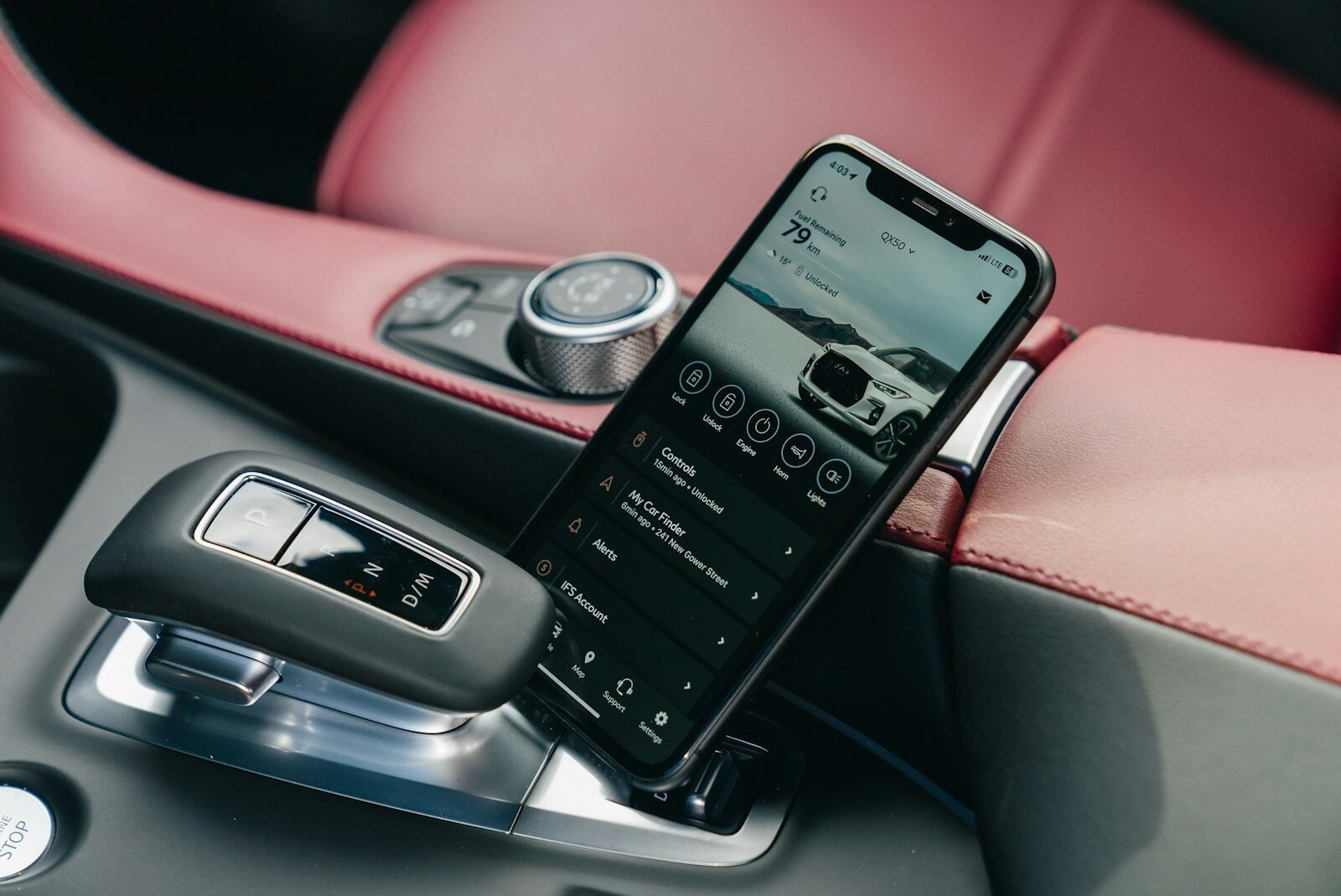
Smartphone-based telematics has overtaken the dongle in most major programs. The driver downloads an app, grants the appropriate permissions, and the phone’s accelerometer, gyroscope, and GPS handle the data collection. There is no hardware to install, no return shipping after the trial, and no risk of forgetting the device in a sold car. The user experience is closer to a fitness tracker than to an industrial tool.
The data the apps collect is more nuanced than the early dongles could capture. Mileage, hard braking, hard acceleration, cornering, time of day, and even phone-handling during driving are now standard inputs. Some carriers add weather and road-type analysis to refine the picture. The result is a richer behavioral profile that supports finer-grained pricing.
For consumers, the savings can be meaningful. Smooth, low-mileage drivers often save 15 to 30 percent against standard rates. Drivers with rougher patterns may see no discount or, in some programs, modest increases. Carriers vary in how aggressively they punish negative behavior; some offer discount-only programs while others embrace true behavioral pricing in either direction.
Privacy is the central trade-off. The data collected by telematics apps is detailed, and policyholders are sharing meaningful behavioral information with their insurer. Carriers publish privacy policies that describe how the data is used, but the policies are dense and the practical implications are not always obvious. Drivers should read these terms before enrolling.
Phone-handling detection has become the most controversial feature. The app can flag picking up the phone while driving, even for navigation, calls, or quickly silencing notifications. Drivers who have integrated their phones into their commute – voice navigation, music, hands-free calls – sometimes find themselves penalized despite not technically using the phone in their hand. Adjusting habits to mount the phone and avoid manual interaction during driving is the practical path.
Battery and data usage have improved as smartphones and the apps have matured. Modern telematics apps run efficiently in the background, sip battery, and use minimal data. Older complaints about drained batteries are largely outdated, though phone settings and battery saver modes can still interfere with data collection.
Family policies bring complications. If multiple drivers share a vehicle, the app needs to identify who is driving for accurate scoring. Some programs ask the driver to confirm trips after the fact; others use vehicle-mounted beacons or pattern recognition to assign trips automatically. Misattributed trips can hurt scores unfairly, so reviewing trip logs occasionally is worthwhile.
The transition from one-time discount trials to continuous monitoring is another shift. Earlier programs tracked driving for 30 to 90 days, then locked in a discount for the policy term. Modern programs increasingly continue monitoring throughout the policy life, with discounts that adjust at renewal or even mid-term. This continuity is more accurate but also more demanding for drivers who think the assessment is over.
Beyond pricing, telematics apps offer real safety benefits. Crash detection that automatically notifies emergency services after a major impact, driving feedback that highlights specific behaviors to improve, and in some cases vehicle locator features that help locate a stolen car all add value beyond the discount.
For drivers considering telematics, the decision is no longer about whether the technology works. It is about whether the privacy trade-off, the behavioral expectations, and the program structure fit the household. Used well, smartphone telematics can deliver real savings and real safety improvements. Used carelessly, it can produce frustration without much benefit. The smartest enrollees treat the program as a partnership, with attention to both the data and the driving habits it reflects.
Family members can interact with telematics in interesting ways. Programs that distinguish drivers can avoid penalizing the policyholder for trips actually taken by spouses, children, or others. The setup process to teach the program who is who can be tedious but pays off in accuracy.
Sharing the data with safety conscious goals at home is also possible. Some apps allow exporting trip data to spreadsheets or other tools, enabling families to set goals, track improvements, and reward safer driving with non-financial recognition. The technology that started as an insurance tool can become a family conversation topic.
Finally, opting out is always an option. Drivers who try a telematics program and decide it does not fit their household can usually exit at the next renewal, sometimes earlier. The data collected may continue to influence pricing for the remainder of the term, but the program ends with the policy. Treating telematics as an experiment that can be undone reduces the perceived stakes of trying it.
The auto insurance landscape rewards drivers who treat their policy as a living financial instrument rather than a static bill. Reviewing coverage at every renewal, asking pointed questions, and shopping the market regularly produce measurable savings and stronger protection. The hour or two spent each year on this work delivers a return that few other household financial habits can match, particularly when premiums are climbing and claim economics are shifting underneath. Drivers who engage with the process consistently end up paying less, recovering more after losses, and avoiding the painful surprises that catch passive policyholders off guard.