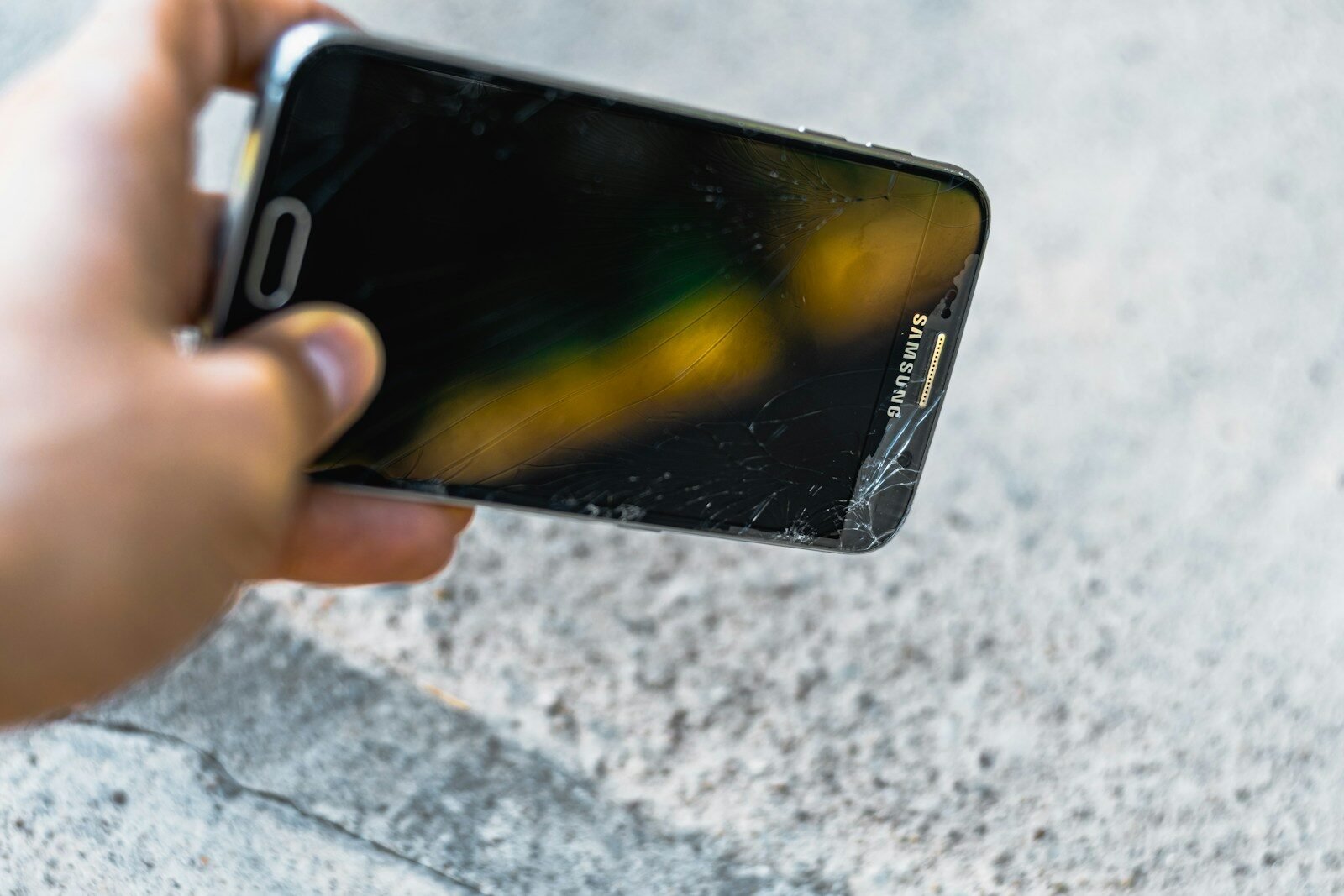
The first time a driver photographs their damaged vehicle and submits the photos through a smartphone app, they are participating in a quiet revolution in claims handling. Selfie estimates, virtual adjuster tools, and AI-driven damage assessment have moved from experimental pilots to production-ready features at major carriers. The implications for consumers, claims professionals, and the broader auto insurance industry are still unfolding.
The basic concept is simple. After an accident or comprehensive event, the policyholder is guided through a structured photo-capture process by a smartphone app. The app prompts for specific angles, distances, and lighting conditions, and then submits the photos to a carrier system that combines AI analysis with human review. An estimate, repair recommendation, or settlement offer follows within hours.
The benefits for consumers are real. Speed is the obvious one – traditional adjuster scheduling could take days, while photo estimates can return results within a single business day. Convenience is another, since the policyholder does not need to take time off work or coordinate with an adjuster’s schedule. Transparency improves when the customer can see the estimate immediately and ask questions in real time.
The benefits for carriers are also significant. Adjuster productivity rises dramatically when routine claims can be handled through automated tools, leaving experienced adjusters to focus on complex or high-stakes claims. Claim cycle times shrink, which improves customer satisfaction and reduces the rental and downtime costs associated with longer repair timelines.
The limitations are real, however. Photos can miss damage that becomes visible only after disassembly. Calibration costs for advanced driver-assistance systems may not be apparent in photos. Structural damage hidden behind exterior panels can be substantial even when the visible damage looks minor. The result is a higher rate of supplemental claims after the initial estimate, which can frustrate customers who thought their claim was settled.
Technology is improving in ways that address some of these limitations. AI models trained on millions of damaged vehicles are getting better at predicting hidden damage based on visible cues. Three-dimensional reconstruction tools can build virtual models of the damage from a series of photos, providing more accurate estimates than two-dimensional photo analysis alone. The next generation of tools will integrate vehicle data such as airbag deployment and sensor records to produce even more reliable predictions.
The role of the human adjuster is changing rather than disappearing. Routine claims with clear damage and straightforward repair paths can be handled with minimal human intervention. Complex claims, total losses, injury claims, and disputed cases still benefit from experienced adjusters who can navigate the nuances. The industry is settling into a tiered model where the level of human involvement scales with claim complexity.
Consumer expectations are evolving. Drivers who have used selfie estimates expect that experience to be the standard, and carriers that fall behind on digital tools struggle to retain customers. The competitive pressure is pushing every major carrier to invest in claims technology, and the gap between leaders and laggards has become a real factor in customer choice.
Privacy and data security are part of the conversation. Photos of vehicles often include the home, license plate, and personal items, and the metadata in modern smartphone photos includes location and timing data. Carriers handle these images carefully, but consumers should understand what they are sharing and how it will be stored and used.
Quality of repair shops affects the success of the entire model. A photo estimate that aligns with what the body shop finds when they open up the vehicle produces a smooth claims experience. A photo estimate that diverges materially from the in-shop reality produces supplements, frustration, and sometimes disputes. Carriers that maintain strong direct repair networks and that calibrate their photo estimate tools against shop findings produce better outcomes than those that simply automate without feedback.
The legal and regulatory environment is catching up. Regulators have begun examining whether photo estimates produce fair outcomes for all customers, whether bias in AI models could affect claim results, and whether disclosure requirements should be updated for digital claims processes. The conversation is still in early stages, and consumer advocates are pushing for more transparency about how photo-based estimates are calculated.
For now, selfie estimates work best for clear, simple claims. Minor cosmetic damage, simple comprehensive events, and small collision claims are well suited to the technology. Complex claims still need human attention, and the smart consumer recognizes the difference between what the technology does well and what it does not.
Looking ahead, the trajectory is clear: digital claims tools will continue to expand, the role of human adjusters will continue to refine, and consumer expectations will continue to rise. Drivers who embrace the technology where it works and who push back when it falls short get the best of both worlds. The goal is not to replace adjusters everywhere, but to deploy human expertise where it matters most and to use technology to handle the rest faster and more cheaply than ever before.
Best practices for using digital claims tools include taking photos in good lighting, capturing all four corners of the vehicle plus close-ups of damage, and following the app’s prompts carefully. Skipping prompted photos or providing photos that do not match the requested angles slows processing and increases the chance of supplements later.
Drivers who prefer in-person adjuster service can usually request it. Most carriers retain field adjusters for cases where the customer prefers a traditional approach or where the damage is too complex for photo estimates. Asking for in-person service is a reasonable request, and carriers that pressure customers into digital-only handling are often the same carriers that score lower on customer satisfaction surveys.
The future of claims handling will continue to balance digital efficiency with human expertise. The best outcomes happen when each is deployed where it works best – digital for speed and convenience on routine claims, human for nuance and judgment on complex ones. Customers who understand the spectrum can ask for the right type of service at the right time, getting the benefits of both worlds without the frustrations of either extreme.