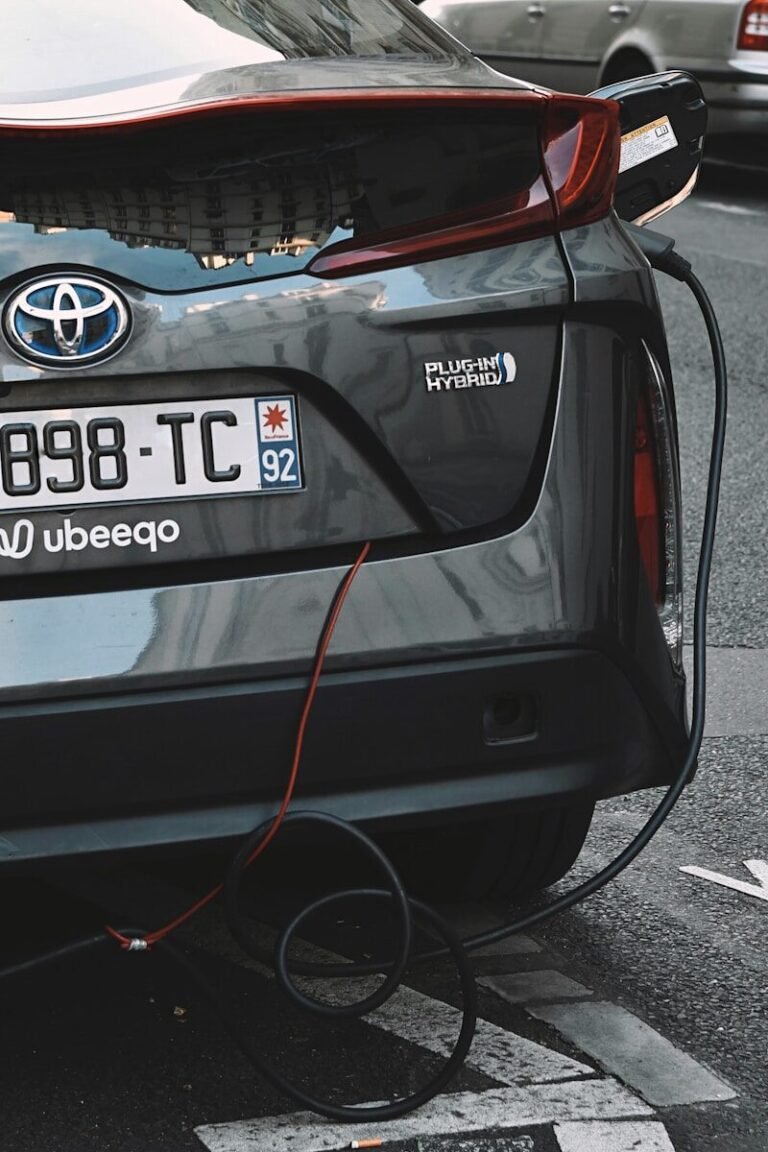
For a long stretch of the 2010s, auto theft in the United States declined steadily as immobilizers, GPS recovery systems, and connected-vehicle features made stealing modern cars genuinely difficult. That progress has reversed in spectacular fashion. Theft numbers in major metro areas have climbed for several consecutive years, with certain models targeted in patterns that look more like organized crime than opportunistic theft.
The reasons behind the surge are layered. Viral videos and social media tutorials revealed simple methods for bypassing the anti-theft systems on certain vehicles. Catalytic converter theft, driven by the precious metals embedded in the converter, became a parallel epidemic that frequently went unreported because the vehicle remained drivable. Sophisticated relay attacks against keyless-entry systems pushed luxury vehicles into a higher-risk category as well.
For drivers, comprehensive coverage is the policy line that responds when a vehicle is stolen, vandalized, or stripped. The first thing every policyholder should check is whether comprehensive is actually on the policy. Older paid-off vehicles sometimes have only liability, leaving the owner with no insurance recovery if the car disappears.
The second item to verify is the deductible. Comprehensive deductibles are sometimes set very low because the premium difference is small, but a $100 deductible on a vehicle worth $9,000 may not match the real risk profile. Conversely, a $1,000 deductible can be challenging in the unfortunate week when both a stolen-vehicle claim and a household emergency arrive at the same time.
Personal property left inside the car is a separate consideration. Most auto policies do not cover personal items beyond very limited amounts. A laptop, briefcase, or musical instrument left in a vehicle that is broken into is generally a homeowners or renters insurance claim, not an auto claim. Drivers who carry valuable equipment in their cars should confirm this distinction before, not after, a theft.
Aftermarket accessories deserve attention as well. Custom wheels, audio systems, bed covers, and roof racks may be subject to a sublimit on the comprehensive coverage. Documenting these items with receipts and photos before a loss makes a real difference in the claim process. Some carriers offer specific endorsements that increase the sublimit for an additional premium.
Recovery is another piece of the puzzle. Vehicles equipped with telematics or factory tracking can sometimes be recovered before significant damage occurs. The recovery rate for tracked vehicles is dramatically higher than for vehicles without the feature, and insurers may offer modest discounts for installations that improve recovery odds.
For owners of frequently targeted vehicles, prevention has become more practical. Steering wheel locks have made a comeback as a visible deterrent. Aftermarket immobilizers, kill switches, and faraday pouches for keyless entry fobs are inexpensive measures with real impact. Insurers in some states recognize these mitigations with discounts, and even where they do not, the chance of avoiding the claim entirely is the bigger payoff.
Finally, drivers should think about where they park. Lit, busy areas reduce theft risk substantially. Long-term parking lots near transit hubs and airports have become hotspots for theft and break-ins, and using off-airport secure parking can be cheaper than the eventual deductible plus rental and downtime costs.
Comprehensive coverage works best when it is paired with prevention, attention to sublimits, and accurate documentation of everything inside and attached to the vehicle. With theft trends pointing the wrong direction, this is the year to make sure the policy can actually do its job if the worst happens.
The recovery process for a stolen vehicle deserves a brief outline. After discovering the theft, the owner files a police report and contacts the insurance carrier immediately. The carrier opens a claim, may dispatch an investigator, and waits a defined waiting period before declaring the vehicle a total loss. If the vehicle is recovered during the waiting period, the carrier pays for any damage; if not, the carrier pays the actual cash value to the owner or lienholder.
Returning a recovered vehicle is its own process. Many recovered vehicles have damage, sometimes significant, and the carrier handles the repair or total-loss decision based on the post-recovery condition. Drivers should not assume that a recovered vehicle is ready to drive home; an inspection by a qualified shop is essential before the vehicle returns to regular use.
Driving a recovered vehicle without confirming that critical systems were not tampered with is risky. Brake lines, fuel systems, and electrical wiring can be damaged in ways that are not immediately visible. The cost of an inspection is small compared to the consequences of a failure on the highway.
The auto insurance landscape rewards drivers who treat their policy as a living financial instrument rather than a static bill. Reviewing coverage at every renewal, asking pointed questions, and shopping the market regularly produce measurable savings and stronger protection. The hour or two spent each year on this work delivers a return that few other household financial habits can match, particularly when premiums are climbing and claim economics are shifting underneath. Drivers who engage with the process consistently end up paying less, recovering more after losses, and avoiding the painful surprises that catch passive policyholders off guard.