For most American drivers, the first encounter with auto insurance comes with a simple question: how much liability coverage do I really need? The answer is rarely simple. Every state sets its own minimum limits, and those minimums often haven’t kept pace with the real cost of medical bills, vehicle repairs, and litigation. Understanding the floor your state requires is only the starting line, not the finish.
Liability insurance is split into two pieces: bodily injury and property damage. The numbers usually appear as a triplet such as 25/50/25, meaning $25,000 per injured person, $50,000 per accident, and $25,000 for property damage. While that may sound substantial, a single trip to the emergency room with imaging and surgery can easily exceed $50,000. Drivers who carry only the state minimum often discover too late that the policy ran out of money long before the bills did.
Some states have moved to raise their minimums. Virginia and Utah, for example, have lifted limits in recent years. Others, including New Hampshire, do not require liability at all, leaving the burden of proving financial responsibility to the driver. The result is a patchwork of obligations that can be confusing for anyone who moves across state lines or commutes to work in a neighboring jurisdiction.
Insurance industry data consistently show that the majority of catastrophic claims involve costs that dwarf typical state minimums. That is why most independent agents quietly recommend at least 100/300/100 as a baseline, and 250/500/250 for households with significant assets. The marginal cost between minimum and recommended limits is often surprisingly small – sometimes less than the price of a streaming subscription each month.
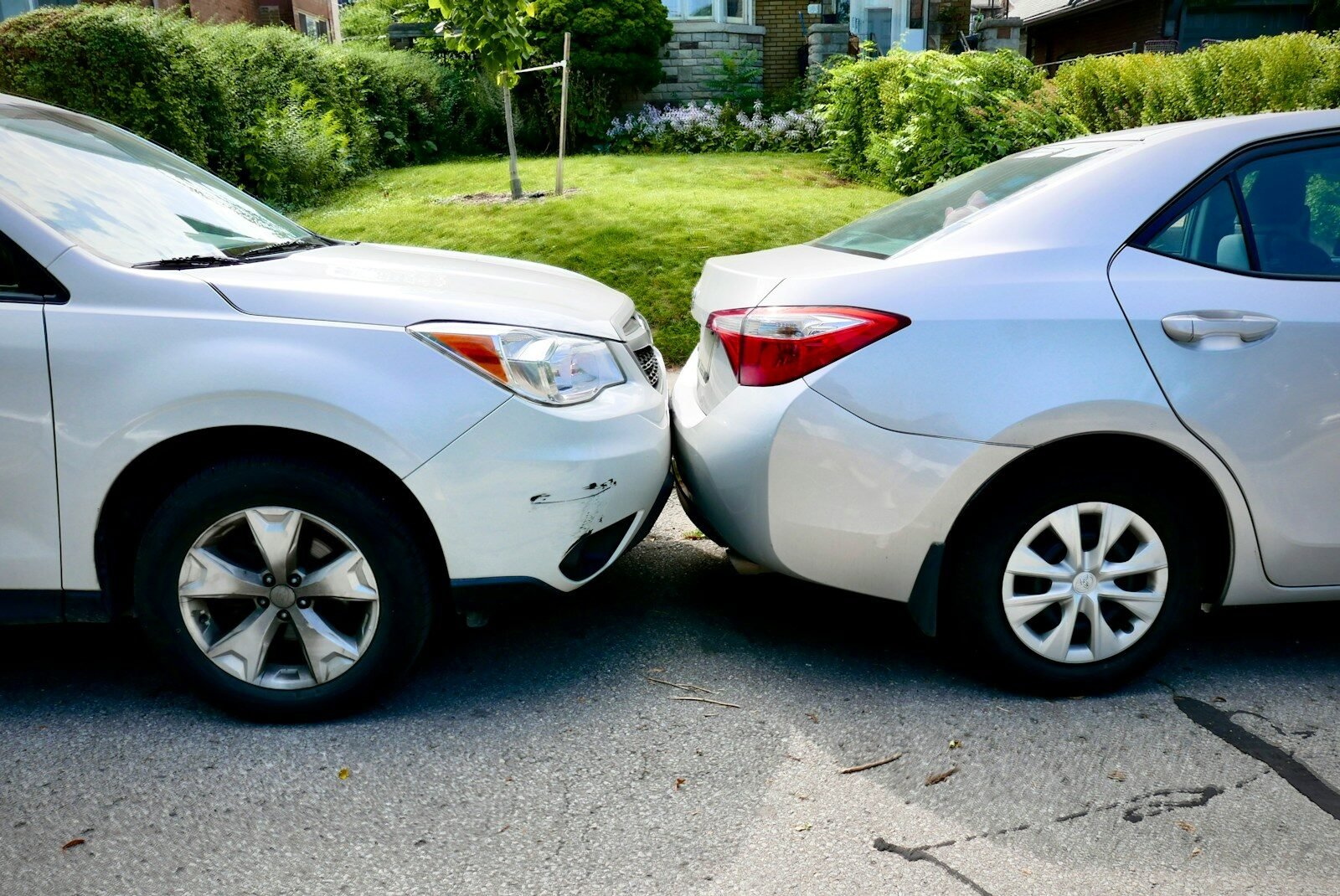
The rise of larger trucks and SUVs has changed the math, too. When a heavy vehicle strikes a smaller passenger car, repair costs climb quickly. Modern bumpers may look unchanged after a low-speed collision yet hide thousands of dollars in damaged sensors, calibration needs, and structural components. Property damage limits that felt comfortable a decade ago can vanish in a single fender bender today.
Beyond pure dollar amounts, drivers should pay attention to umbrella policies. An umbrella sits above the auto liability policy and adds a million dollars or more of additional protection at a relatively modest annual cost. For homeowners, families with teenage drivers, or anyone who routinely commutes through dense traffic, an umbrella can be the difference between a manageable claim and a financial catastrophe.
Drivers also need to look at how liability interacts with uninsured motorist coverage. If the at-fault driver carries only the state minimum, the victim’s own uninsured or underinsured motorist policy is what fills the gap. Buying high liability limits without matching uninsured motorist limits is a common oversight that leaves real risk on the table.
Finally, consider the geographic reality of your driving. Urban commuters in Atlanta, Dallas, or Los Angeles face dramatically different exposures than rural drivers in the Midwest. Frequency of multi-vehicle accidents, average property values, and local litigation trends all push toward higher recommended limits in major metro areas. The state minimum may be legal, but legality and adequacy are not the same thing. The smartest move drivers can make this year is to pull out their declarations page, look at the liability triplet, and ask whether those numbers really reflect the world they drive in every day.
Drivers who travel frequently between states should understand how their liability follows them. Auto policies provide coverage in the United States and most U.S. territories, and many also include coverage in Canada. Mexico is a notable exception that requires separate Mexican auto insurance for any travel south of the border. The smooth transition from state to state during a road trip masks how meaningfully the legal context changes underneath.
Family policies also need attention when household composition shifts. A teenage driver moving away to college, a parent moving in temporarily, or a partner who recently obtained a license all change the exposure on the policy. Updating the carrier promptly, even for short-term changes, prevents disputes during a claim. Insurers can deny coverage if undisclosed drivers cause accidents, and the consequences can be financially devastating.
Reviewing liability annually with the rest of the household financial picture is the most reliable habit. Net worth, income trajectory, savings, and the value of any assets that could be at risk in litigation should all factor into the limit decision. The cost difference between minimum and recommended limits is small, but the difference in protection is enormous when a claim hits.
The auto insurance landscape rewards drivers who treat their policy as a living financial instrument rather than a static bill. Reviewing coverage at every renewal, asking pointed questions, and shopping the market regularly produce measurable savings and stronger protection. The hour or two spent each year on this work delivers a return that few other household financial habits can match, particularly when premiums are climbing and claim economics are shifting underneath. Drivers who engage with the process consistently end up paying less, recovering more after losses, and avoiding the painful surprises that catch passive policyholders off guard.