Anyone who has tried to schedule a collision repair recently knows the timeline has stretched dramatically. Appointments that used to be available within a week now require months, and rental coverage that used to bridge a brief repair has become a longer-term reality for many drivers. The repair shortage is not just an inconvenience – it is reshaping how collision claims are priced, paid, and recovered.
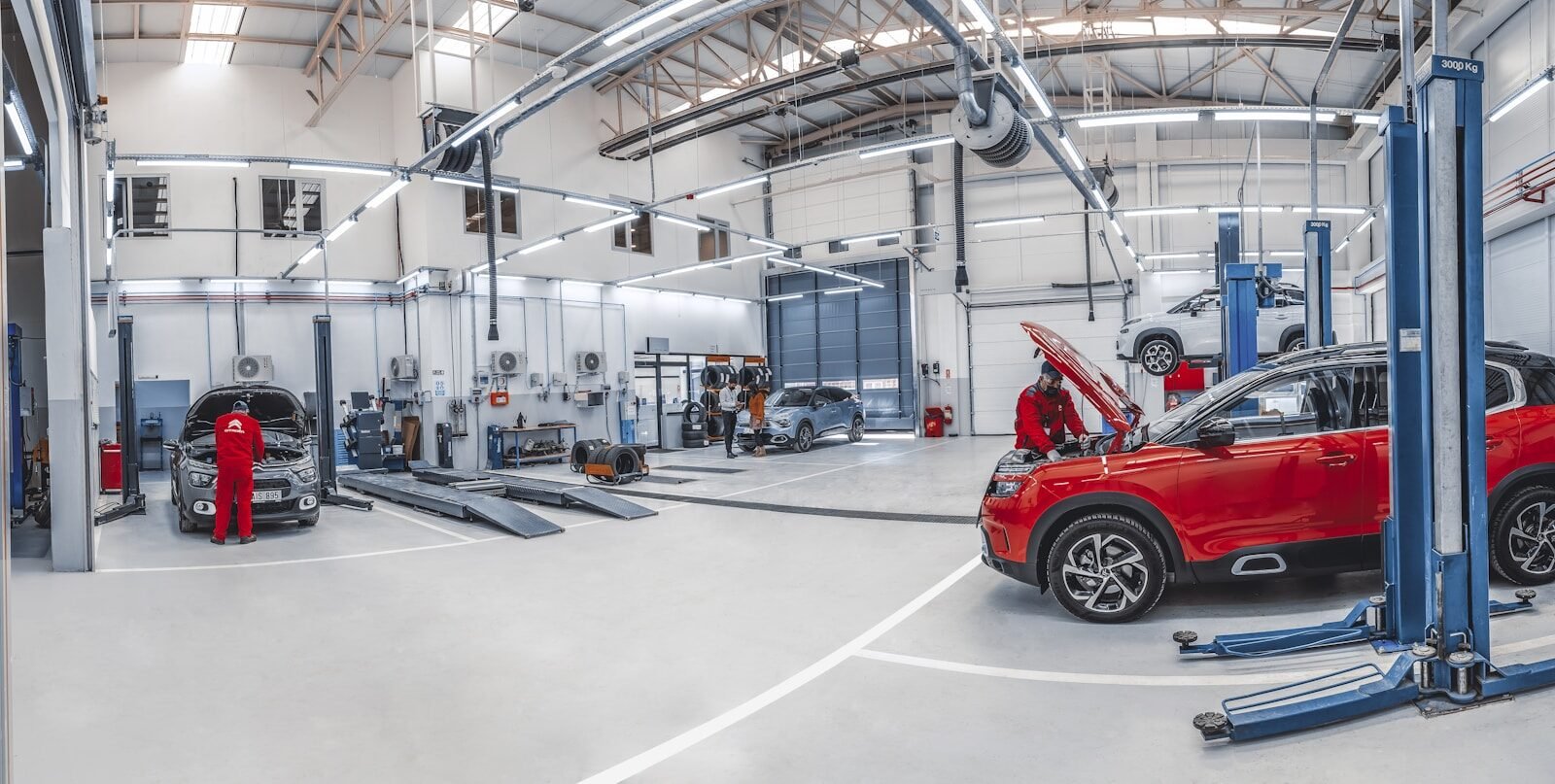
Several forces converged to create the current bottleneck. Skilled body technicians are aging out of the workforce faster than new entrants are being trained. Vehicle complexity has grown enormously, with structural aluminum, mixed-material bonding, and high-strength steel requiring specialized tooling. Manufacturers have also tightened their certified shop requirements, especially for vehicles with advanced driver-assistance systems that require precise calibration after even minor repairs.
Parts availability is another piece of the puzzle. Global supply chain disruptions of recent years have eased but not vanished. Components that used to ship in days now wait weeks, particularly trim pieces, sensors, and replacement modules. Insurers have responded by accepting alternative parts and recycled components more readily, which has produced friction with policyholders who expect original equipment in their repairs.
The insurance industry has not been a passive observer. Carriers have invested heavily in direct repair networks, where preferred shops commit to standardized pricing and turnaround times in exchange for a steady stream of work. These relationships speed claims handling for many drivers, but they also raise concerns about quality control and the use of non-original parts.
For policyholders, the practical effect is that the time between an accident and the return of a fully repaired vehicle has grown materially. Rental reimbursement limits that felt generous a few years ago, such as $30 per day for 30 days, now run out before the car is ready. Drivers who do not pay attention to those limits can end up covering rental costs themselves for the final stretch of the repair.
Total loss thresholds are shifting as well. When repair costs climb due to labor scarcity and parts pricing, more vehicles cross the line from repairable to total loss. That outcome may be financially neutral for the insurer, but it can be devastating for an owner who relied on the car and who now must navigate a tight used-vehicle market with limited inventory.
Diminished value claims have become more contentious in this environment. Even after a perfect repair, a vehicle with an accident history sells for less. Drivers in states that allow first-party diminished value claims have new leverage, but the documentation required is significant: appraisal reports, photographic evidence, and sometimes expert testimony.
The labor crunch also affects the quality of estimates. Adjusters, particularly those working remotely with photo estimates, may underestimate complex repairs because the shop has not opened the vehicle and discovered hidden damage. The result is a supplement-heavy claims process where the initial check is followed by additional payments as the work progresses.
For consumers, the smartest defense is preparation. Pulling up the policy and confirming that rental reimbursement is sufficient, asking about original-equipment-only repair endorsements, and learning whether your state allows diminished value claims are all steps that pay off when an accident finally happens. The repair industry will eventually adapt, but for the next several years, drivers can expect collision claims to take longer and feel more complicated than the simple body-shop visits of the past.
Drivers can take some practical steps to navigate longer repair times. Building a list of preferred body shops in advance, ideally including a primary and a backup, prevents the panic search after an accident. Asking each shop about its current backlog and how it handles supplements gives a realistic view of timelines. The carrier’s direct repair network may offer faster service, but a trusted local shop with strong reviews can be worth the extra wait.
Repairing or replacing windshield glass has become more complex on vehicles with cameras mounted near the windshield. Recalibration of these cameras after a glass replacement is essential, and not every shop is equipped to do it correctly. Drivers should ask whether the recalibration is included in the estimate and verify that it is performed before the vehicle is returned.
Documentation is the most underrated tool in the entire process. Photos of the vehicle before any incident, a record of pre-accident maintenance, and clear records of the accident scene all support the claim. Customers who arrive with documentation are taken more seriously, settle disputes faster, and recover more of what they are owed.
The auto insurance landscape rewards drivers who treat their policy as a living financial instrument rather than a static bill. Reviewing coverage at every renewal, asking pointed questions, and shopping the market regularly produce measurable savings and stronger protection. The hour or two spent each year on this work delivers a return that few other household financial habits can match, particularly when premiums are climbing and claim economics are shifting underneath. Drivers who engage with the process consistently end up paying less, recovering more after losses, and avoiding the painful surprises that catch passive policyholders off guard.